
Getting started
How to choose your first trail race
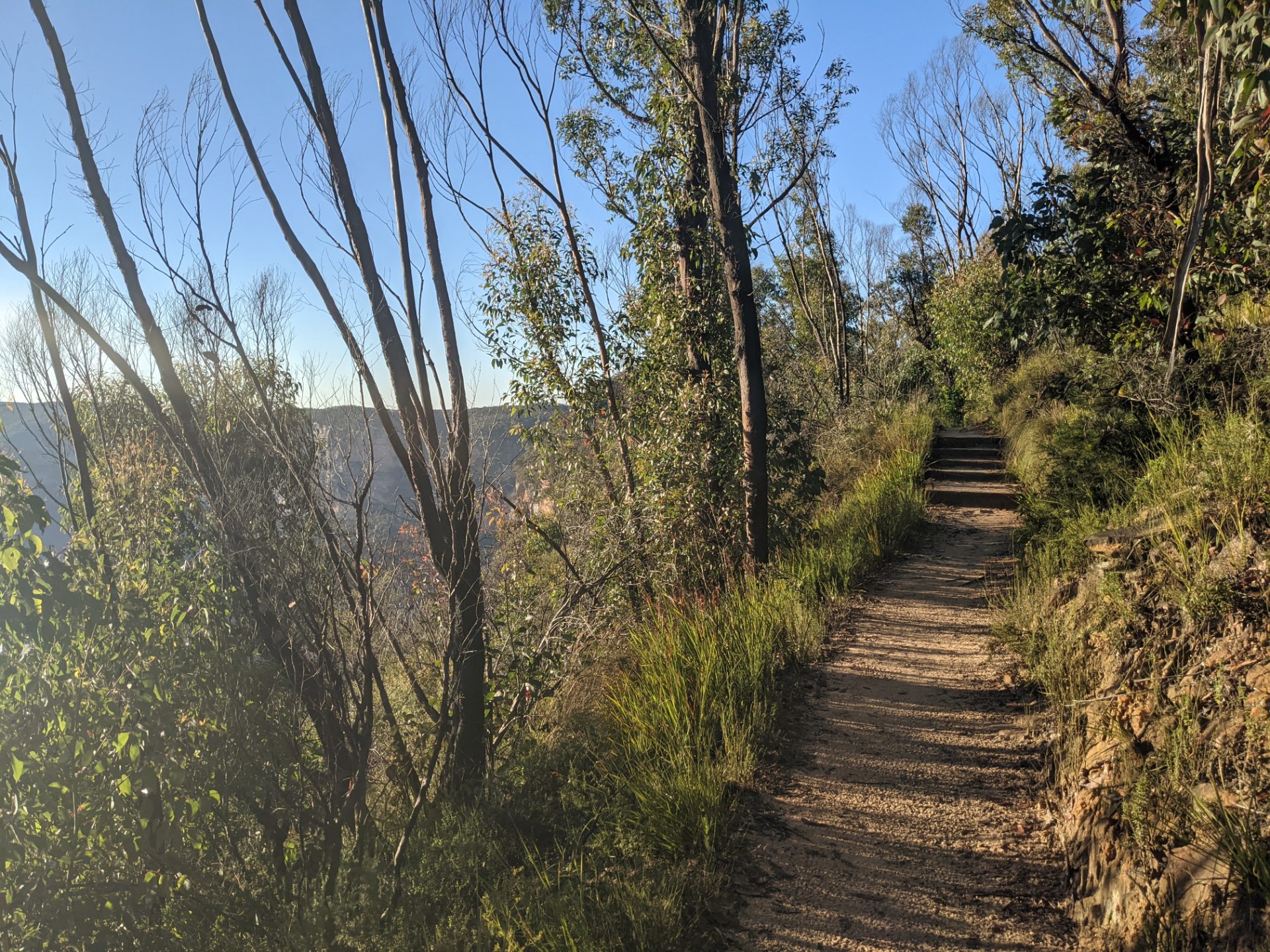
How to choose your first trail race
From distance and elevation to terrain and cut-off times, here's what to look for when choosing a trail race that suits you.
If you're thinking about entering your first trail race, you might be wondering where to start.
With events ranging from short local runs to challenging mountain races, there's plenty to choose from. But unlike road running, distance alone doesn't tell you much about what to expect.
A 10 km race on smooth, gently rolling paths can feel very different from one with steep climbs, rocky descents and technical singletrack.
Here are some things to consider when finding a race that suits your experience, fitness and interests.
1. Start with a manageable distance
If you're comfortable running 5 km or 10 km on the road, a trail race of a similar distance can be a good place to start. Just remember that hills and uneven terrain can make trail running slower than road running.
Think about how long you're comfortable spending on your feet, rather than just the distance you'd normally run.
2. Look at the elevation, not just the distance
Elevation gain tells you how much uphill climbing you'll accumulate over the course. A 10 km race with 100 metres of climbing will feel quite different from one with 500 metres.
It's also worth looking at how that climbing is spread out. A long, gradual climb can feel very different from several short, steep hills.
Don't forget the descents either. Steep or technical downhill sections can be demanding on your legs.
If the organiser provides an elevation profile, have a look to see where the biggest climbs and descents occur.
3. Understand the terrain and technicality
Some races follow wide fire trails, gravel paths or smooth bush tracks. Others include rocky singletrack, tree roots, creek crossings and steep, uneven sections.
A more technical course requires greater attention to foot placement and balance, but technical doesn't always mean harder. A smooth course with lots of climbing can still be physically demanding.
Think about the terrain you've already experienced. If most of your running has been on roads, smoother trails might feel more familiar. If you regularly run or hike on rocky tracks, you may already be comfortable with more technical terrain.
4. Check the cut-off times
Many trail races have cut-off times, which set the maximum time allowed to finish. Some also have intermediate cut-offs at checkpoints.
For example, a 15 km race with a three-hour cut-off requires an average pace of 12 minutes per kilometre, including any stops.
Consider whether the time limit is realistic for you on that particular terrain, rather than comparing it with your usual road-running pace.
5. Look at who's run the race before
Previous results can give you a useful picture of an event.
Rather than focusing on the winners, look at the range of finish times. The median finish time shows how long the middle finisher took to complete the race.
Women's finishing times and participation can also be interesting to explore. Women's participation shows the proportion of finishers who were women, giving you an idea of who has taken part in previous editions.
Keep in mind that weather and course changes can affect results from year to year.
At Her Race Report, you can explore women's participation and historical finishing times alongside course information to help compare events.
6. Consider the support and facilities
It's worth checking what the organiser provides, particularly if you're entering an unfamiliar event.
- Aid stations: Will water, electrolytes or food be available?
- Course marking: Is the route marked, or will you need to navigate?
- Mandatory gear: Is there equipment you're required to carry?
- Toilets and changing facilities: What's available at the start, finish and along the course?
- Transport: Is there parking, public transport or a shuttle?
- Medical support: What assistance is available if something goes wrong?
Depending on your circumstances, pregnancy and postpartum policies may also be worth considering.
Not every organiser publishes all these details, so check the official event information or contact them if something is important to you.
7. Think about how you'll prepare
Consider how much time you'll have to prepare and whether you can practise on similar terrain, particularly if the course includes hills or technical sections.
A trail running training plan or coach can be helpful, especially for longer or more challenging races.
And why not ask a friend to join you? Training and racing together can make the experience even more enjoyable. Local trail running groups are another great way to meet people and discover new routes.
8. Choose somewhere you'd love to run
Beyond the practical details, think about where you'd enjoy running.
Perhaps there's a coastal trail you've always wanted to explore, a favourite national park or a mountain course with spectacular views.
There's no single best first trail race. Look for something that suits your experience, gives you time to prepare and makes you excited to get to the start line.
Ready to find your first trail race?
Some shorter trail races to consider
Around Sydney, the Sydney Trail Series includes shorter distances at St Ives (7 km and 10 km) and Manly Dam (9 km and 11 km). Bare Creek Trail Run also offers 6 km and 12 km options.
These events have more going for them than just shorter distances. They're within easy reach of Sydney, on stunning but established trails close to residential areas, so you can experience trail racing without heading somewhere particularly remote.
They attract a mix of experienced runners and people trying trail racing for the first time. Having other runners around and a marked course can make exploring unfamiliar trails feel more approachable.
As always, check the course details and current event information before entering.
At Her Race Report, we're bringing together course details, cut-off times, women's participation, historical finishing times and race-day facilities to help you discover and compare events.
Ready to find a race?
Compare women's participation, pace and race-day facilities.